
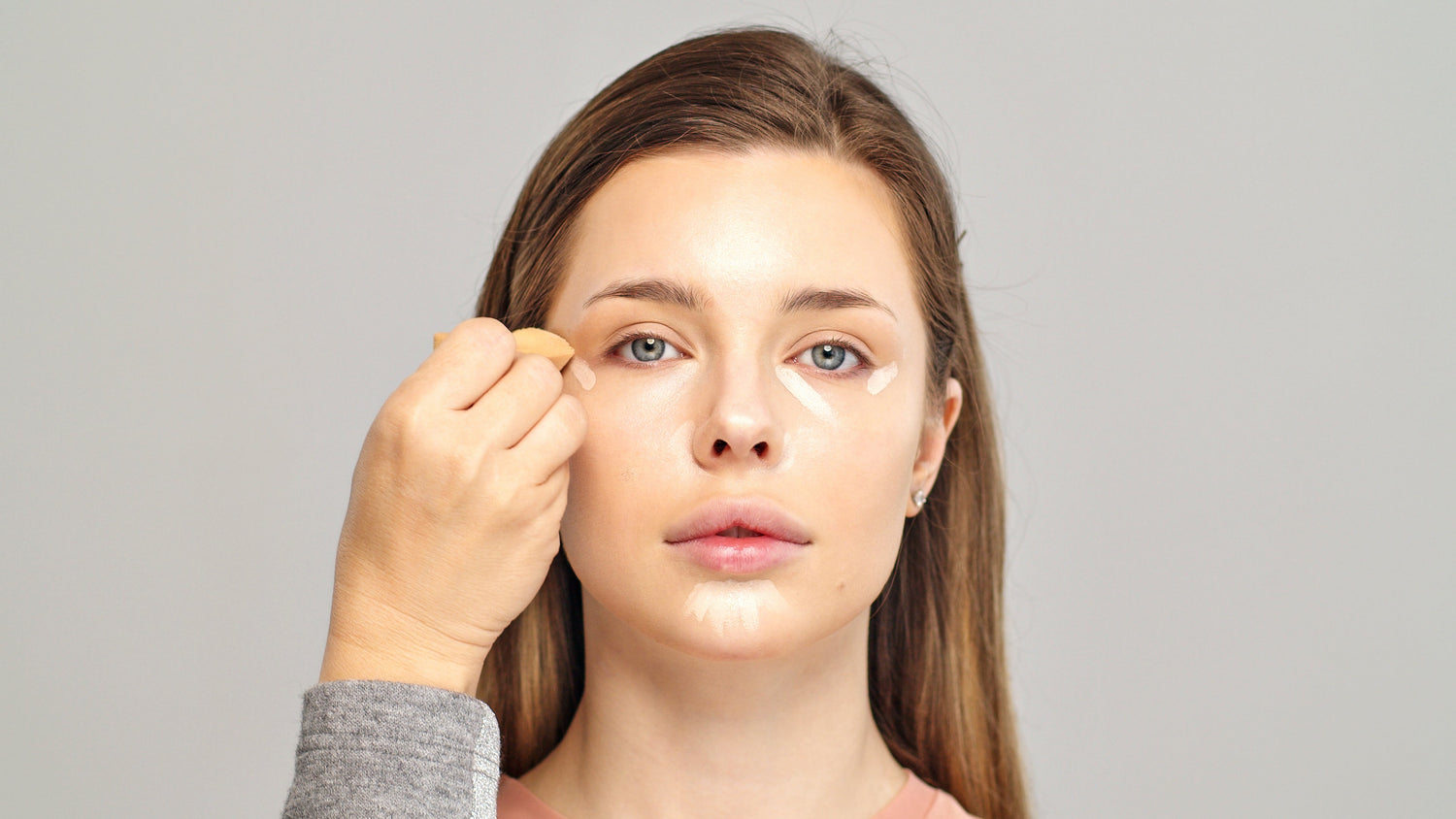
When you're first building your professional makeup kit, foundation can be one of the hardest products to choose. There are so many formulas, finishes and shades — and unlike doing makeup on yourself, a professional makeup artist needs to be prepared for many different clients.
One bride may have dry, dehydrated skin. The next may become oily within an hour. You may work with different skin tones, textures, ages and coverage preferences, sometimes all within the same weekend.
So instead of asking:
“What is the best foundation for bridal makeup?”
I encourage my students to ask a different question:
“What foundation is right for the person sitting in front of me?”
Here are three things I consider when choosing foundation for a bridal client.
1. Look at the Skin Type & Texture First
Before reaching for foundation, assess the skin.
- Does it feel dry or dehydrated?
- Is there visible texture?
- Does the client become oily throughout the day?
- Are some areas oily while others are dry?
Foundation doesn't sit on every skin type in exactly the same way.
For example, a very matte, long-wearing formula may work beautifully on one client but emphasise dryness and texture on another. Likewise, an extremely dewy foundation may look beautiful initially but require much more oil control on someone with oily skin. This is why professional makeup artists need more than one solution in their kit.
You don't necessarily need dozens of foundations — but you do need to understand how the formulas you carry behave on different skin. And remember: sometimes what looks like a foundation problem is actually a skin preparation problem. Good bridal makeup starts before foundation ever touches the face.
2. Consider Coverage & Finish
Bridal makeup needs to photograph beautifully while still looking beautiful in person.
That doesn't automatically mean using full-coverage foundation.Some brides have beautiful skin and only need light coverage with strategic concealing. Others may want more coverage for pigmentation, redness, acne or uneven skin tone.
The goal isn't to cover as much as possible. It's to use as much coverage as the client needs — and no more. I generally prefer building complexion products gradually in thin layers rather than applying a very heavy layer immediately.
This gives you more control over the finished result and helps the skin continue to look like skin. Finish matters too. Rather than thinking only in terms of “matte” or “dewy”, consider the complete complexion you're creating. You can manipulate the finish with skin preparation, primers, powders and setting products.
Foundation is only one part of the system.
3. Build a Kit That Lets You Mix & Adapt
When you're starting your professional kit, it can feel as though you need to buy every foundation shade available.
You don't.
A more practical approach is to build a carefully selected shade range that allows you to mix and customise colours for different clients. Understanding undertones becomes incredibly important here. Two clients may appear to have a similar skin depth but have completely different undertones.
If you only look at how light or dark someone's skin is, your foundation may still look noticeably wrong. Learning to recognise and adjust undertones allows you to create much more accurate foundation matches without carrying an enormous number of bottles. And as you work with more clients, you'll naturally learn which shades and formulas you reach for most often.
Your professional kit should evolve with your experience.
What About Foundation Longevity?
Bridal makeup often needs to last for many hours, through photography, ceremonies, weather and sometimes tears. But longevity doesn't come from foundation alone. It comes from the entire complexion process:
- Skin preparation.
- Primer when appropriate.
- Foundation.
- Strategic concealing.
- Powder.
- Setting products.
And, importantly, choosing the right combination for that particular client's skin.
Simply choosing the most long-wearing foundation you can find doesn't guarantee beautiful makeup twelve hours later. Sometimes overly heavy or drying products can actually make the complexion look worse as the day progresses.
The goal is to create a base that works with the client's skin.
You Don't Need to Buy Everything Before Your Makeup Course
This is one reason I deliberately provide makeup and skincare products for students to use during their training at Bloom Pro Academy.
If you're completely new to professional makeup, it can be difficult to know what belongs in your kit before you've had the opportunity to work with different products and different skin types. Buying an entire professional kit immediately can become very expensive — and you may eventually discover that some of those products don't suit the way you work. During the Bloom Pro Artist Course, students can work with the products provided in our studio while learning how different formulas behave.
As your experience grows, you can gradually build your own professional kit based on products you understand and genuinely enjoy using.
The Best Bridal Foundation Is the One That Works for Your Client
There isn't one foundation I could recommend that will be perfect for every bride.
And I actually think understanding that is part of becoming a better makeup artist. Rather than memorising a list of “best products”, learn to assess:
- The skin.
- The texture.
- The undertone.
- The coverage required.
- The finish your client wants.
- And how the makeup needs to perform throughout the day.
Products will change. New foundations will launch. Trends will come and go.
But if you understand how to assess the person sitting in front of you, you'll be able to make good product decisions regardless of what's currently popular.
That's the skill worth learning.
Explore the 64-Hour Bloom Pro Artist Course →
Or experience our teaching style before committing:
Love,
Roseanne
Bloom Pro Academy