
Completing your professional makeup course is an exciting milestone — but it’s really only the beginning.
One of the questions I hear from students is: What do I actually do after I graduate?
You’ve spent months learning techniques, practising on different faces and building your confidence. Now it’s time to take those skills outside the classroom and begin turning them into real experience.
Whether you want to become a full-time makeup artist, freelance on the side or simply start taking your first few clients, here are five things I’d recommend doing after completing your professional makeup course.
1. Start Building Your Portfolio
Before clients hire you, they want to see what you can do.
Your portfolio doesn’t need to contain dozens of images when you’re starting out. A smaller collection of strong work is much more valuable than filling your page simply for the sake of having content. Try to show some variety — different faces, skin tones, eye shapes and makeup styles.
At Bloom Pro Academy, our Artist Course concludes with a professional graduation photoshoot so students can leave with images they can begin using in their portfolios.
But don’t stop there. Continue organising your own shoots and practising on different people after graduation. Your portfolio should grow as your skills grow.
2. Don’t Wait Until You Feel 100% Ready
This is something I think holds many new makeup artists back.
You finish your course and suddenly think: Am I actually good enough to charge someone?
The reality is that confidence doesn’t suddenly appear the day you receive your certificate. It develops through experience. Your first few clients may feel nerve-racking. You may take longer than you’d like. You might encounter a skin type, eye shape or request you haven’t seen before. That’s normal. The classroom gives you your foundation. Working with real clients is where you continue learning how to become an artist. Start small, take opportunities that are appropriate for your skill level and keep going.
3. Create a Professional Social Media Presence
For many new makeup artists today, Instagram and TikTok effectively become part of their portfolio. You don’t need thousands of followers.
What matters more initially is that someone who discovers you can quickly understand:
- Who you are
- What kind of work you do
- Where you’re based
- And how they can contact you
Post your work consistently, show different clients and faces, and don’t be afraid to let people see the person behind the makeup as well.
You are building trust, not just a feed. And remember — you don’t need to wait until everything looks perfect before you start posting. Your page can evolve alongside your career.
4. Keep Practising After Graduation
Finishing your professional makeup course doesn’t mean you stop practising. In many ways, this is when practice becomes even more important. Work on different skin textures. Different ages. Different eye shapes. Different skin tones. Practise completing full looks rather than only individual techniques, and start paying attention to your timing.
When you’re working professionally, being able to create beautiful makeup is important — but so is being able to create it efficiently. The more faces you work on, the more you’ll begin to recognise patterns and understand how to adapt your technique without needing someone to tell you exactly what to do.
That’s when your confidence really starts to grow.
5. Take the First Opportunity
Your first professional opportunity probably won’t look like the career you eventually imagine for yourself.
And that’s okay.
- It might be doing makeup for a friend.
- A small event.
- Assisting another artist.
- A photoshoot.
- Your first paying client.
Take the opportunities that allow you to practise, learn and build relationships. You don’t need to have your entire career mapped out before you begin. Sometimes the most important thing you can do after graduating is simply start.
One client leads to another. One photoshoot gives you another portfolio image. One experience teaches you something you’ll use on the next person. Your career gets built gradually. Your Makeup Course Is the Beginning, Not the End
A professional makeup course should give you the technical foundation to begin your career — but becoming a great artist comes from what you do with those skills afterwards.
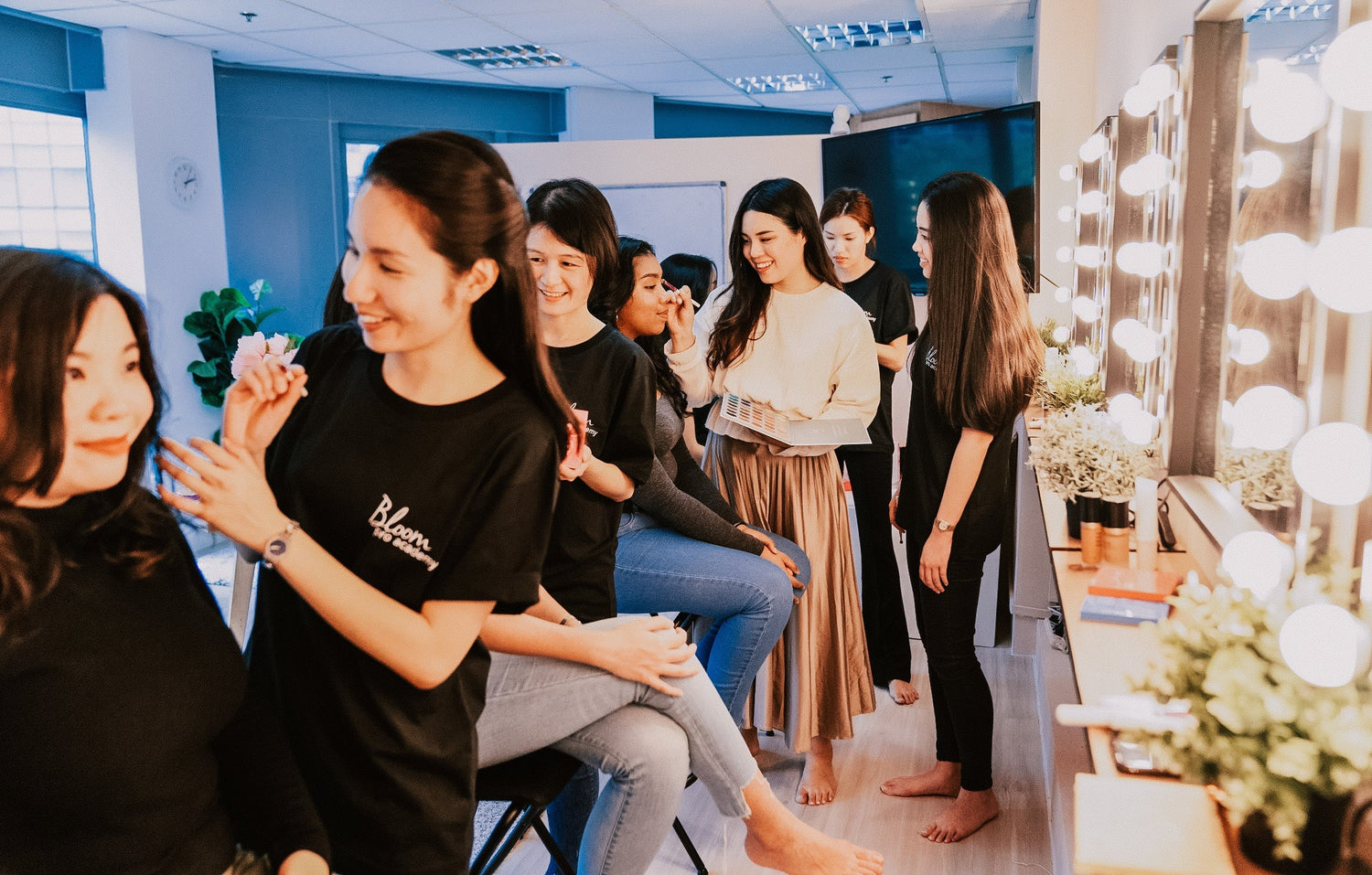
At Bloom Pro Academy, this is something I try to prepare students for throughout their training. Our 64-hour Professional Makeup & Hairstyling Artist Course in Singapore combines hands-on training, live models, business education and practical experience to help aspiring artists build the foundation they need to start working professionally.
And even after graduation, my door doesn’t suddenly close.
If you’re considering becoming a professional makeup artist and you’d like to see how we teach:
Explore the Bloom Pro Artist Course →
Or, if you’d prefer to experience a class before committing:
Love,
Roseanne
Bloom Pro Academy